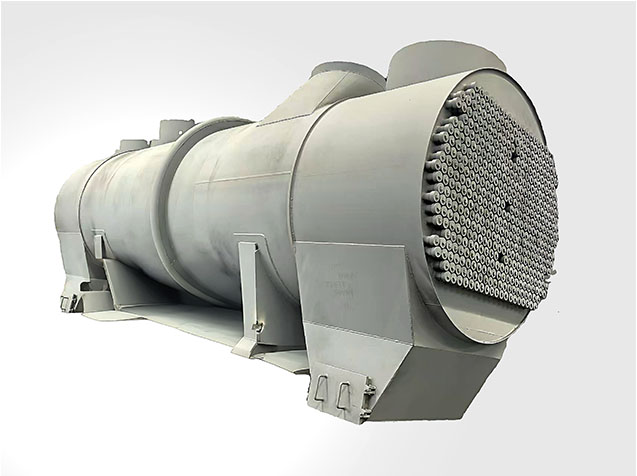
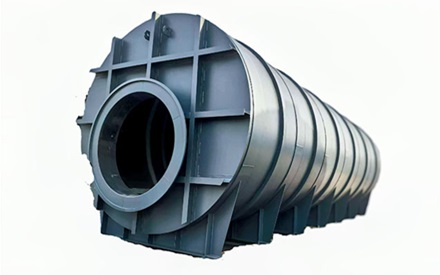
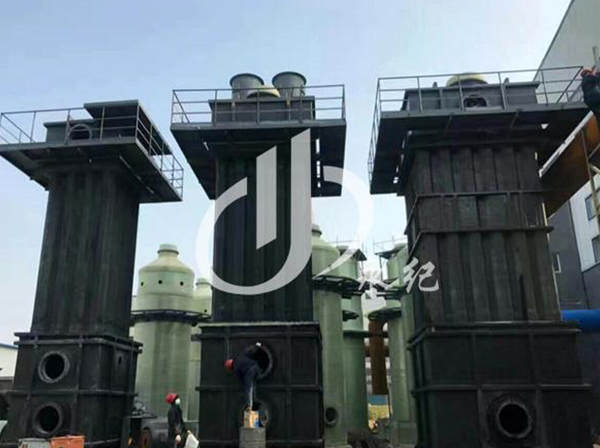
Our air preheater perfectly matches full sets of sulfuric acid equipment. It recycles residual heat to preheat air, saves energy, stabilizes production conditions and protects acid handling equipment for your sulfuric acid manufacturing plant.
Selecting the right air preheater company goes beyond the equipment specification sheet—it’s about finding an engineering partner who understands the extreme corrosion and temperature cycling inherent to acid production. As a specialized air preheater company, our engineering focus is on material selection and mechanical design that ensures longevity where standard industrial air preheaters fall short. We don’t just supply a component; we integrate our air preheaters into your overall thermal system, drawing on extensive experience with ISO9001-certified sulfuric acid equipment lines. From the initial thermal sizing to combat acid dew point corrosion, to after-sale support that keeps your plant running, our approach centers on building a hot air preheater that maintains structural integrity and thermal performance over decades, even when handling aggressive, high-temperature gas streams typical in smelter-based or sulfur-burning acid facilities.
In the context of a sulfuric acid plant, the working principle of an industrial air preheater is centered on recovering waste heat from the hot SO₂/SO₃ gas stream leaving the converter or waste heat boiler. Rather than letting this thermal energy escape, the preheater captures it and transfers it to the incoming combustion or process air. This preheated air, when fed to the sulfur burner or drying sections, significantly reduces the auxiliary fuel needed to reach optimal reaction temperatures. The process relies on robust, indirect heat exchange across tube or plate surfaces, ensuring the two gas streams never mix. For plant operators, understanding this cycle is key: a well-designed air pre heater working in tandem with the HRS system directly translates to lower specific energy consumption per ton of acid produced and a more stable converter temperature profile.
1.Fuel savings and lower emissions: The most immediate benefit is a sharp reduction in fuel consumption. By raising combustion air temperature before it enters the furnace, the same heat output is reached with less energy input. This directly cuts operating costs and scope 1 carbon emissions, making the industrial air preheater a practical tool for meeting tighter environmental targets.
2.Enhanced combustion quality: A stable hot air preheater improves burner flame characteristics, promoting more complete combustion and reducing the formation of SOx precursors. This not only protects downstream equipment but also contributes to cleaner flue gas profiles.
3.Process stability year-round: Because the air preheater decouples the firing rate from ambient air fluctuations, operators see consistent performance regardless of seasonal temperature swings. The result is steadier converter operation and fewer manual adjustments.
4.Reduced auxiliary power demand: A hot air preheater designed with minimal pressure drop on both the air and gas sides reduces the load on plant blowers. Lower parasitic power draw adds up to significant energy savings over time, while also contributing to a quieter production environment.