
Feb 15 , 2026
In the petrochemical industry, sulfuric acid plays a pivotal role in a range of processes, including refining, petrochemical production, and the treatment of raw materials. One of the most essential pieces of equipment used in these processes is the sulfuric acid converter. This equipment is designed to facilitate the conversion of sulfur compounds into sulfuric acid, ensuring that petrochemical facilities can continue to produce high-quality products while adhering to environmental standards. The sulfuric acid converter not only improves efficiency but also helps to reduce the environmental impact of petrochemical operations, making it an indispensable tool for modern industry.
A sulfuric acid converter is critical in the recovery and conversion of sulfur compounds found in natural gas and petroleum products. Sulfur is often present in crude oil, natural gas, and other raw petrochemical materials in the form of hydrogen sulfide (H2S). During the refining process, hydrogen sulfide needs to be converted into sulfuric acid or elemental sulfur, a necessary step for producing high-quality fuels and chemicals. The sulfuric acid converter efficiently transforms hydrogen sulfide into sulfuric acid, which can then be used in various industrial processes. This conversion is crucial because sulfur compounds, if not properly handled, can contribute to pollution, corrosion, and operational inefficiencies. By using a sulfuric acid converter, petrochemical plants can not only recover valuable sulfur but also ensure that the sulfur is safely and efficiently managed.
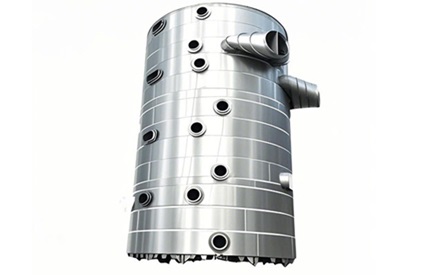
The petrochemical industry is under increasing pressure to minimize its environmental footprint. Sulfur compounds, if released into the atmosphere, can form sulfur dioxide (SO2), a harmful gas that contributes to acid rain and air pollution. Sulfuric acid converters play an important role in addressing this environmental challenge. By converting sulfur compounds into sulfuric acid, these converters help reduce the amount of sulfur dioxide released into the atmosphere, significantly lowering the potential environmental damage. This is particularly important in refining operations where sulfur content in crude oil and natural gas is often high. The sulfuric acid converter helps to mitigate this risk by ensuring that sulfur compounds are contained and converted rather than emitted as pollutants. This not only benefits the environment but also helps petrochemical plants comply with increasingly stringent environmental regulations.
Petrochemical refining is a complex process that involves several chemical reactions and treatments. The use of a sulfuric acid converter improves the efficiency of sulfur removal and recovery, which is a critical step in many refining processes. For example, in hydrotreating and hydrocracking, sulfur compounds must be removed from raw petrochemical feeds to prevent catalyst poisoning and improve product quality. A sulfuric acid converter ensures that sulfur is efficiently extracted and converted, minimizing downtime and maximizing throughput in refining operations. By maintaining optimal sulfur levels, these converters help keep the refining process running smoothly and efficiently, leading to higher yields and improved overall productivity.
In petrochemical manufacturing, catalytic processes are commonly used to produce fuels, plastics, and other valuable chemicals. Many of these processes, however, require precise sulfur content control to avoid catalyst degradation. Sulfuric acid converters ensure that the sulfur compounds present in feedstocks are effectively converted to sulfuric acid, reducing the risk of contamination and damage to catalysts. By maintaining a controlled sulfur environment, these converters help prolong the lifespan of catalysts and optimize the efficiency of catalytic reactions. This is especially important in processes such as alkylation, where sulfur is often present and must be removed to maintain the stability of the catalyst. With the assistance of a sulfuric acid converter, petrochemical plants can ensure that their catalytic processes are as efficient and cost-effective as possible.
As the petrochemical industry evolves, the role of sulfuric acid converters will continue to be vital. With increasing demands for cleaner processes and more sustainable production methods, the ability to efficiently manage sulfur compounds will be crucial. Future advancements in sulfuric acid converter technology are likely to focus on improving efficiency, reducing energy consumption, and further enhancing environmental safety. New innovations may include more advanced materials for handling sulfuric acid, more efficient conversion methods, and better integration with other refining and petrochemical processes. As the industry continues to prioritize sustainability and environmental responsibility, the importance of sulfuric acid converters in maintaining cleaner, more efficient operations will only grow.
In the petrochemical industry, the sulfuric acid converter is an indispensable tool for managing sulfur compounds and ensuring efficient, sustainable operations. From enhancing sulfur recovery and improving refining processes to reducing environmental impact and extending catalyst life, sulfuric acid converters provide numerous benefits to petrochemical plants. As the industry moves toward greater sustainability, these converters will remain at the forefront of innovations in sulfur management. When selecting sulphuric acid plant manufacturers, expertise in high-temperature corrosion resistance is crucial for long-term durability.


